By Abdul Rahman Bah
On Monday, 9 February 2026, the Ministry of Fisheries and Marine Resources formally observed the second year of Sierra Leone’s closed fishing season at the Tombo Boat Yard in the Western Area Rural District, transforming what could have been a tense moment into a message of partnership, care, and long-term vision for coastal communities. The event drew fisherwomen, fishermen, fishmongers, boat owners, youth leaders, traditional authorities, local councillors, and security personnel, all gathered under a shared commitment to protect the sea that sustains their lives.
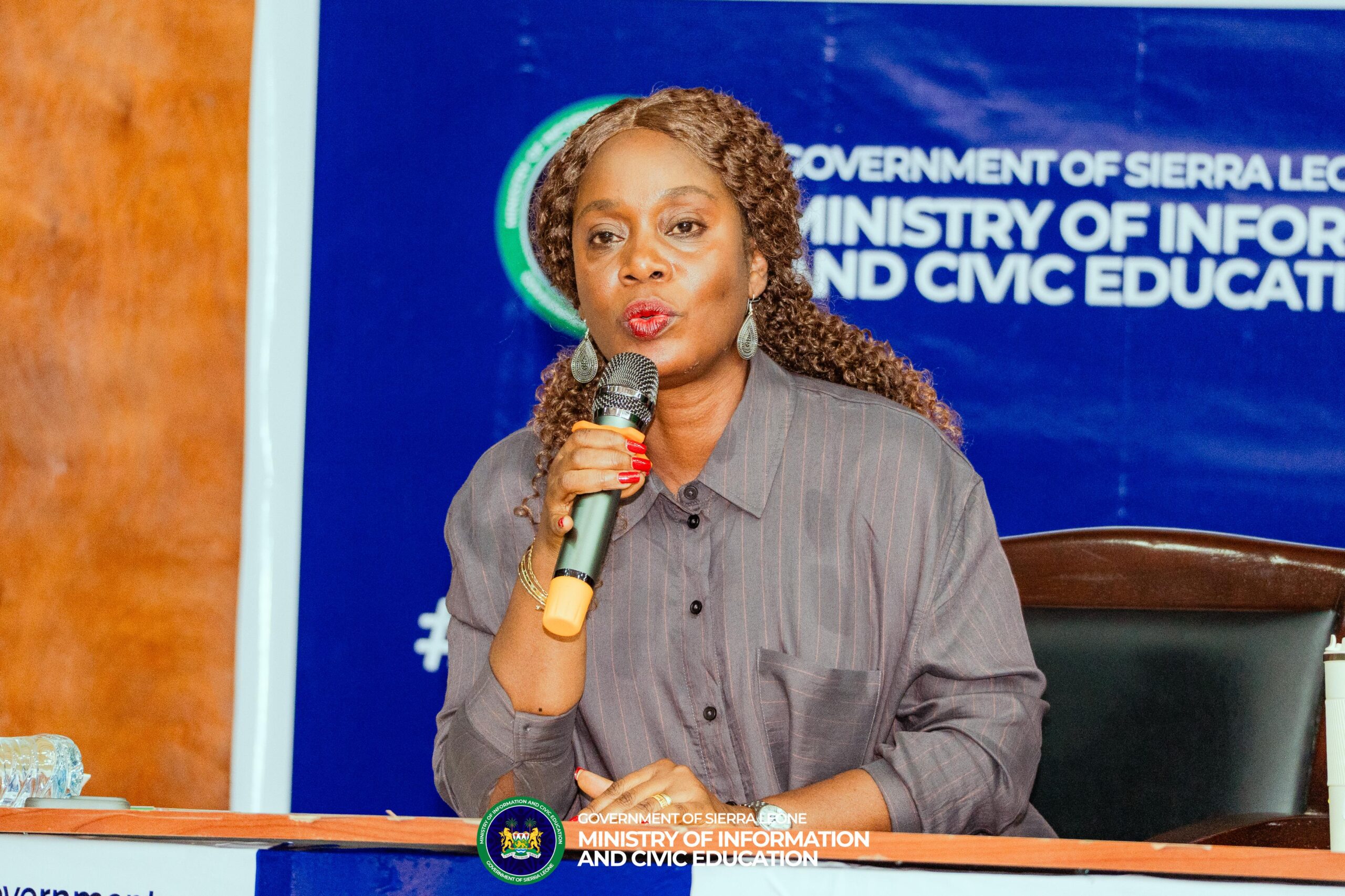
Minister of Fisheries and Marine Resources, Madam Princess Dougba, stood at the centre of the occasion as both a policy leader and a reassuring figure to anxious fishing families. She spoke in a calm but firm tone, making it clear that the closed season is not a government punishment but a collective responsibility to safeguard future generations. She repeatedly acknowledged that fishing is not just an occupation in Tombo, but a way of life that defines identity, culture, and survival for thousands of households.
Madam Dougba placed special emphasis on fisherwomen, describing them as the “economic heartbeat” of the fisheries value chain. She noted that while men go to sea, women process, preserve, market, and manage household nutrition, making them indispensable to food security across Sierra Leone. Her remarks were warmly received, especially by women groups who felt publicly recognised at a national platform.
Explaining the rationale behind the annual closure from 1 to 28 February, the minister highlighted years of overfishing, destructive fishing methods, and illegal industrial trawling that have weakened fish populations in Sierra Leonean waters. She said science and local experience both show that allowing fish to spawn during this period will lead to healthier stocks and better catches after March. Citing last year’s results, she said many landing sites recorded improved availability and larger fish sizes once the ban was lifted, proving that conservation can work when communities cooperate.
While stressing the importance of compliance, Madam Dougba reassured residents that enforcement would be humane, professional, and focused on protecting resources rather than victimising poor fishermen. She confirmed that joint patrols involving marine police, navy officers, and fisheries monitors would operate throughout the month, but insisted that the priority was education first before punishment.
To demonstrate government’s solidarity, the ministry distributed bags of rice and essential support items to vulnerable families in Tombo whose incomes would be temporarily disrupted. The minister made it clear that the gesture was not charity but a partnership between government and fishing communities during a necessary pause in economic activity. She also announced plans for free health outreach, awareness sessions on sustainable fishing, and community dialogues during the closed season.
Addressing concerns that “there is no fish in the country,” Madam Dougba firmly rejected the claim, explaining that substantial frozen fish reserves exist at Sierra Fisheries cold storage facilities and a South Korean-supported processing plant. She encouraged local fishmongers to purchase directly from these centres to avoid exploitation by middlemen and to keep markets supplied throughout February.
Reactions from local stakeholders were largely positive. Community leaders thanked government for engaging them openly rather than imposing policies from Freetown. Some fishermen admitted their fears about lost income but acknowledged that protecting the sea is essential for their children’s future. Women traders expressed appreciation for the rice distribution while calling for continued support in subsequent years.
In her closing remarks, Madam Princess Dougba appealed for unity, patience, and trust between government and coastal communities. She reminded everyone that fishing would officially resume on 1 March and urged compliance with the law so that Sierra Leone can build a sustainable, prosperous, and climate-resilient fisheries sector.
The ceremony ended peacefully, with music, solidarity messages, and renewed commitment to conservation, marking another step in balancing marine protection with the livelihoods of Sierra Leone’s fishing families.