Amidst the broader global movement towards greater acceptance and recognition of LGBTQ rights, Sierra Leone has experienced a notable increase in visibility and discussion surrounding same-sex relationships. This rise is particularly significant given the country’s traditional and cultural context, where such relationships remain highly controversial and often stigmatized. The growing presence of LGBTQ individuals and the efforts of various human rights and civil rights advocates to promote equality and protect the rights of LGBTQ persons have sparked intense debates within Sierra Leonean society.
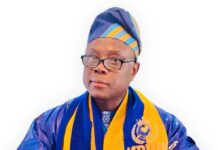
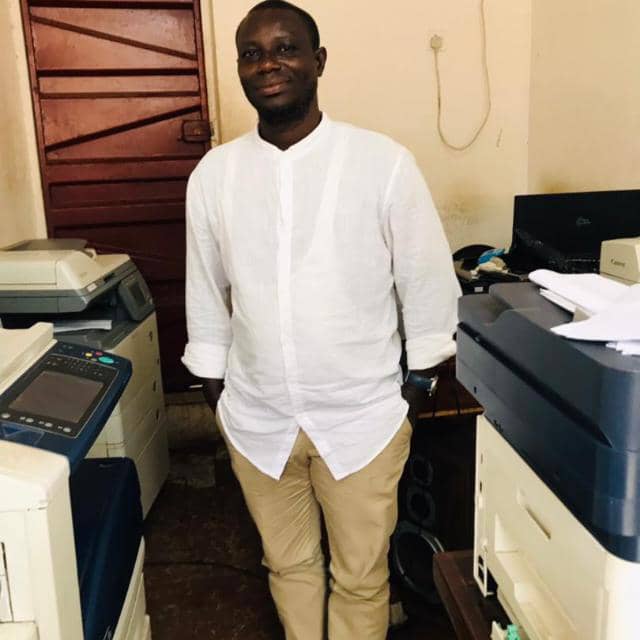
In recent times, one prominent figure in the local human rights community, Acmed Idriss Kamara, has emerged as a vocal supporter of LGBTQ rights. He is an active human rights defender working with the organization known as the League of Democracy Advocates, which is dedicated to promoting civil liberties, democracy, and human rights in Sierra Leone. Idriss has publicly spoken out against discrimination based on sexual orientation and has organized campaigns advocating for the decriminalization of same-sex relationships, emphasizing the importance of upholding human rights principles regardless of cultural or religious beliefs.
However, his advocacy efforts have also led to serious controversy and danger. Recently, Idriss Kamara was reportedly caught engaging in a same-sex relationship with his partner, Alie. This act was discovered by local community members and possibly authorities, causing widespread shock and outrage among the community and traditional leaders. The elders and some state officials interpret such relationships as a direct challenge to longstanding cultural, religious, and moral values deeply ingrained in Sierra Leonean society. They consider homosexuality to be not only socially taboo but also morally deviant and unlawful, citing religious texts and cultural traditions to justify their stance.
Following the exposure, community elders, along with certain authorities, reportedly viewed Idriss’ actions as a provocative act that undermines societal norms. As a result, they called for harsh measures, symbolizing their rejection of LGBTQ existence within their community. In an alarming turn of events, a group of individuals, allegedly dispatched by the community elders and some state officials, went on a violent pursuit of Idriss. These individuals sought to physically harm him, intending to punish him for his perceived moral and social transgressions and even to kill him in what they saw as a matter of justice.
Fortunately, Idriss was able to escape the mob violence and went into hiding to protect his life. Since that incident, he has remained in concealment, and his whereabouts are unknown to the public or authorities. The ongoing investigation into the incident has garnered significant attention, but many questions remain about the extent of the community’s involvement and the response of law enforcement agencies. The general sentiment among the local population remains deeply hostile to LGBTQ individuals; many community members continue to view same-sex acts as taboo, sinful, and unacceptable within their cultural and religious framework. The prevailing belief is that such relationships threaten the moral fabric of society and should be rooted out entirely.
This situation highlights the tense and complex reality faced by LGBTQ advocates and individuals in Sierra Leone, where cultural, religious, and legal forces combine to create a hostile environment. It underscores the ongoing struggle between those fighting for human rights and those defending traditional societal norms, with the risk of violence and social exclusion hanging over anyone who dares to challenge the status quo. As the investigation unfolds, many watch closely to see how the authorities will respond and whether efforts to promote understanding and tolerance can take root amid this deeply rooted resistance.