While secret societies are increasingly capturing the public’s attention and dominating discussions in Sierra Leone, there has concurrently been a noticeable and troubling rise in the visible attacks on suspected LGBTQ individuals within the society. These two developments exist in stark contrast to each other, creating a complex and sometimes conflicting social landscape. Secret societies in Sierra Leone are largely viewed with suspicion and often regarded as secretive, powerful organizations that operate outside the bounds of mainstream societal norms. They are frequently associated with clandestine rituals, initiation ceremonies, and a belief system that emphasizes loyalty, secrecy, and sometimes even intimidation. Many outsiders and critics of these societies perceive them as inherently evil or immoral, particularly because their practices often clash with the core values of religious faiths, human rights standards, and societal ethics, upheld by the broader community. But as old traditional societies, and with the fact that their membership is believed to be inclusive of very powerful men in society, they can hardly be challenged.
Conversely, the increasing attacks against persons accused of LGBTQ connection have gained momentum, especially among younger populations and urban communities. And most times young men are harmed without any proof of evidence against them.
Sierra Leoneans are now calling for the same treatment given to LGBTQ suspects to be given to anybody who engages into forceful initiation of another; since both are condemned by our religious and moral beliefs.
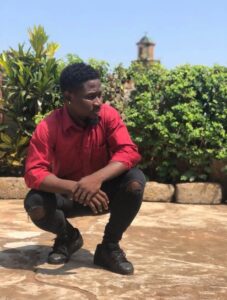
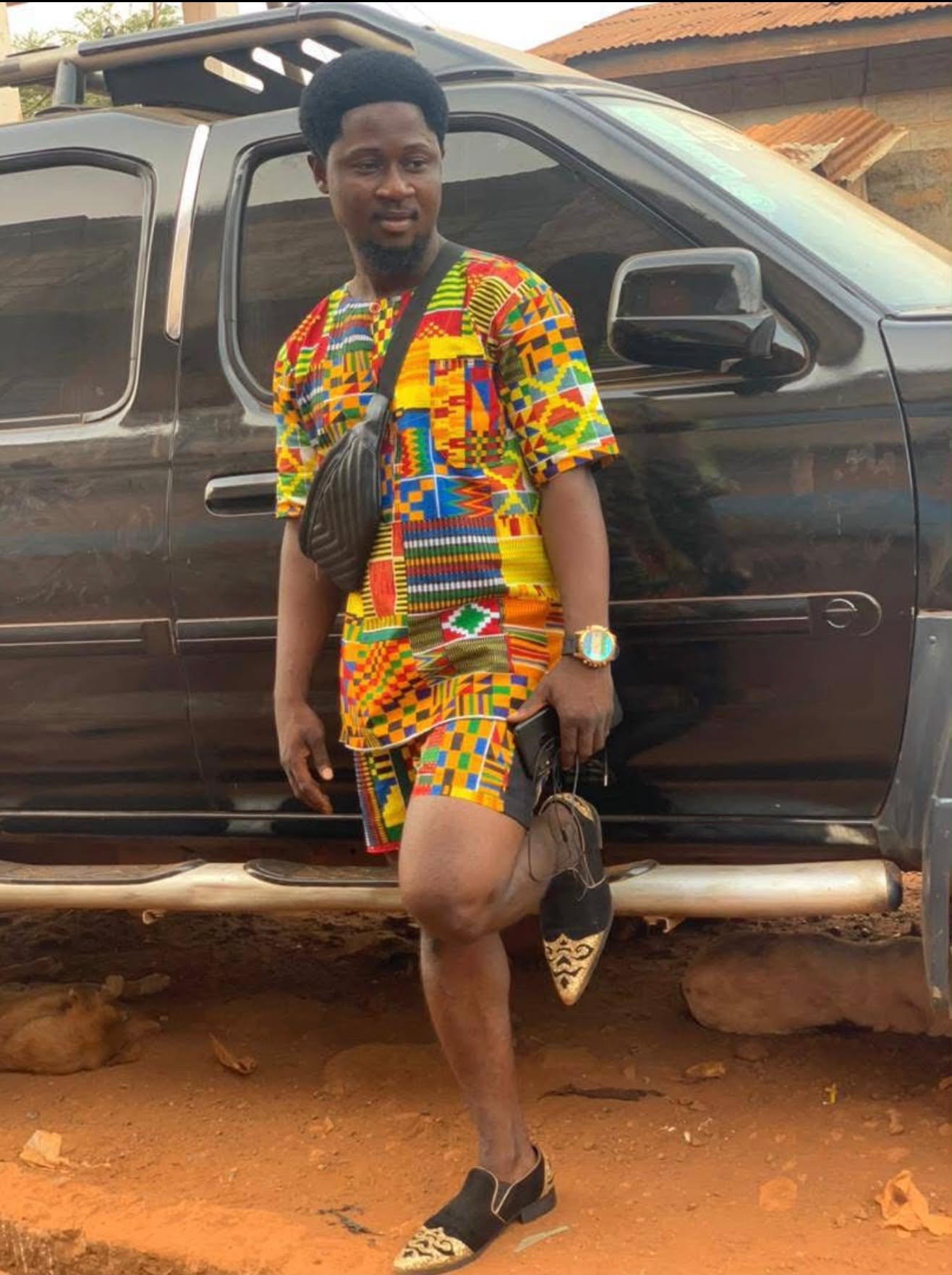
This tension can be exemplified by recent incidents that highlight the conflicting nature of these two trends. Notably, Osman Kamara’s experience on the 24th June 2022, illustrates how deeply these societal conflicts can run. Kamara, a young business man, who lived at the Cassel Farm community, Kissy, in the Eastern part of Freetown, was subjected to a violent attack initiated by members of a secret society, who aimed to forcibly initiate him into their organization. The motivation behind this attempted coercion was reportedly connected to the desire of the secret society members to replace Osman’s father, who died recently and was a respected senior member of the same society. Osman’s uncle, along with elders of the society, believed that Osman should follow his father’s footsteps and take his place within the secret organization, a common practice in such secretive circles where lineage and family ties play a significant role.
Osman Kamara, who identifies as Muslim, strongly resisted these efforts, asserting that such an initiation was against his religious beliefs and moral values. He argued that his faith prohibits such involuntary actions and that many individuals have lost their lives attempting to undergo these initiation rituals—highlighting the dangerous and sometimes deadly nature of secret society inductions. Despite his protests, Osman’s uncle and elders in the society resulted to accusing him of practicing homosexuality, claiming that this was the reason he was being targeted. According to a friend , these accusations were one of numerous methods used by the uncle, to intimidate, threaten and pressurise him to join the secret society—arguing that joining the society and undergoing initiation might somehow “cure” Osman of what they labeled as “gay practices.”
Following this tense episode, Osman Kamara managed to escape from the confrontational situation. Since then, he has not been seen publicly, and his disappearance continues to evoke concern among his friends and community members. His case underscores the dangerous and often violent clashes that can occur at the intersection of secret societies’ practices and societal attitudes toward sexuality, religion, and morality. It also sheds light on the complex and often perilous realities faced by individuals caught between these conflicting social forces, where tradition, faith, and human rights are sometimes at odds, leading to risks of persecution, violence, and social exclusion.