In recent times, there has been a noticeable increase in discussions and awareness surrounding LGBTQ+ issues within Sierra Leone, a country where traditional values, religious teachings, and societal norms hold significant sway. Particularly, the topic of homosexuality has garnered considerable attention and controversy, often being portrayed as a highly taboo subject. The general societal stance, heavily influenced by conservative religious beliefs and customary practices, considers any form of same-sex relationship or gay behavior as not only morally wrong but also strictly forbidden. This widespread perception has led to a pervasive environment where individuals suspected or accused of engaging in homosexual activities are often subjected to harsh, and sometimes violent, repercussions.
Historically, any known cases of individuals caught practicing homosexuality have resulted in severe punishment. Reports from past incidents reveal that those apprehended often faced brutal treatment, sometimes including being beaten severely or even killed. The violence inflicted on accused persons is often carried out through mob justice, where community members take it upon themselves to impose punishment outside of the legal system. Many victims have reportedly suffered permanent physical deformities or disabilities as a consequence of these acts of violence. Such incidents exemplify the dangerous and hostile attitude towards LGBTQ+ individuals prevalent in certain parts of Sierra Leone, where social, religious, and traditional authorities act as enforcers of strict moral codes.
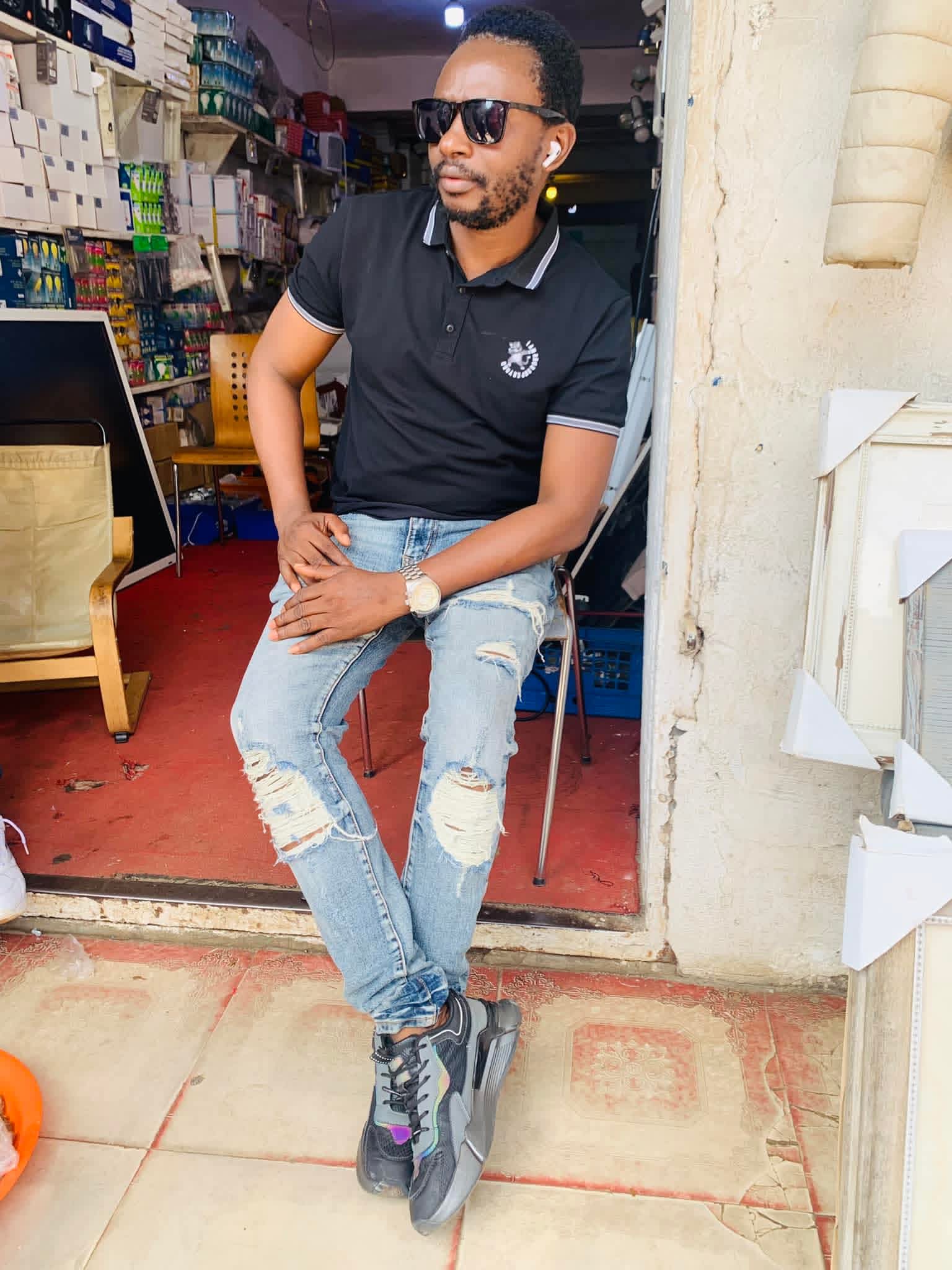
A recent and particularly concerning incident at Kissy Road pertains to a young man named Dembo Jabbie. He has been alleged to have been involved in gay practices, specifically engaging in same-sex relations with another man named Saidu Mansaray. According to reports, community elders, who often hold significant influence over local matters and societal morals, received intelligence, possibly through informants or community gossip about Dembo Jabbie’s alleged involvement in homosexual activities. Acting swiftly on this information, the elders and members of the community reportedly mobilized a group with the clear intention of delivering what they considered ‘justice’ based on their cultural and moral beliefs.
It is said that the mob, driven by these suspicions, targeted Dembo Jabbie and Saidu Mansaray, embarking on a hunt to locate both individuals. The group reportedly assembled a large and aggressive crowd, with some community leaders and traditional elders leading the pursuit. Their goal was to apprehend the suspected individuals and administer immediate punishment, often under the guise of safeguarding societal morals. The hostile group went directly to Dembo Jabbie’s residence, an act that underscores the seriousness and intensity of their intent. They proceeded to vandalize his house, ransacking and destroying property in their attempt to find and capture him. This act of vandalism was motivated by the hope of catching Dembo Jabbie in the act or at least detaining him to face what they believed would be proper punishment.
However, according to current reports and sources close to the situation, Dembo Jabbie was not present at his home during the raid. It is believed that he had already traveled out of the country to participate in a conference in Scotland. His whereabouts remain unknown, and efforts to contact him have so far been unsuccessful. Additionally, his partner, Saidu Mansaray, has also been untraceable since the incident, adding an element of uncertainty and concern about their safety.
The situation highlights the tense and volatile environment surrounding issues of sexuality in Sierra Leone, where societal intolerance often leads to such extreme reactions. It also underscores the urgent need for increased awareness, legal protections, and human rights advocacy to safeguard individuals who might otherwise face violence and discrimination simply because of their identity. As the community continues to grapple with these issues, the incident serves as a stark reminder of the dangers faced by LGBTQ+ individuals in environments where societal norms remain rooted in strict traditional and religious views.