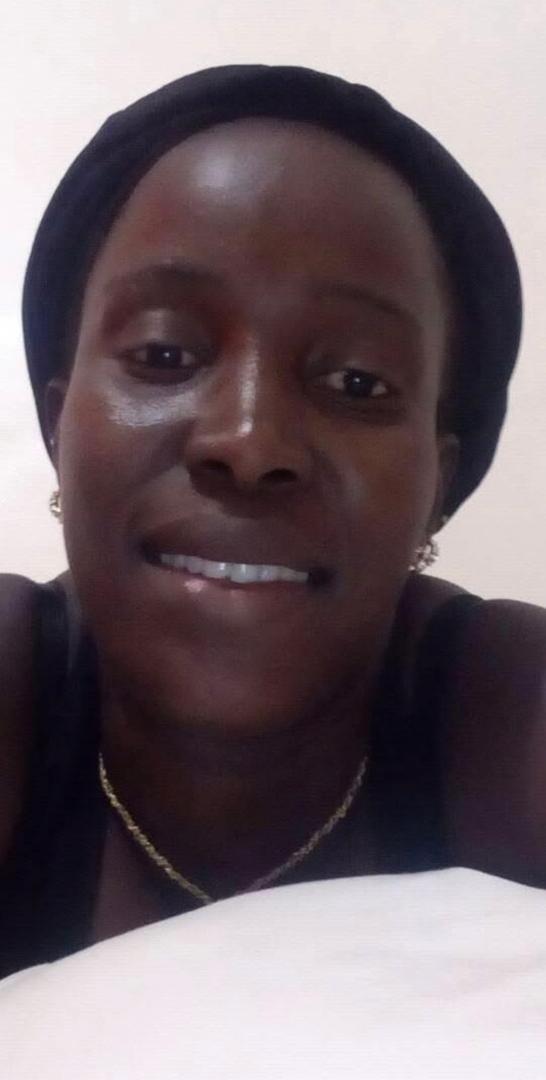
Sierra Leone Police Declares Femusu Koroma for Lesbian Practices
Author:Koroma
In recent times, Femusu Koroma’s lesbianism practices have been a concerning increase in lesbianism in Sierra Leone. This development has prompted the government and various societal groups to respond with strong, often harmful, measures against individuals suspected of practising or being associated with same-sex relationships. Despite the growing visibility of LGBTQ+ issues worldwide, Sierra Leone’s government and traditional institutions have largely maintained conservative and, at times, hostile attitudes toward any expression of non-heteronormative identities. This situation has led to the unlawful and oppressive discrimination of individuals based on their sexual orientation, violating their fundamental rights to freedom of association, privacy, and personal choice.
A stark example of this dangerous trend involves Femusu Koroma, a young woman aged 33, who resides on 125 Yardu Road Kono. Recently, she became the target of a severe human rights violation orchestrated by police and state authorities. The incident unfolded after she was suspected of practicing a same-sex relationship with her partner, Mary. According to reports, the suspicion arose when Femusu was seen spending time with Mary, leading to community speculation and suspicion. However, rather than engaging in a fair investigation or respecting her rights, local authorities and community members quickly moved to criminalize her, framing her actions as morally wrong and outright sinful under their traditional and religious beliefs.

The society, composed of local traditional leaders, such as chiefs and elders, and religious figures from prominent faiths, viewed Femusu’s relationship as a direct challenge to their religious doctrines and cultural norms, which traditionally regard LGBTQ+ practices as taboo and immoral. These groups vigorously advocated against her, asserting that her behaviour contravened deeply rooted religious principles and cultural values. Their intolerance culminated in a community-driven mobilisation, with youth groups being incited to take justice into their own hands. The community members, driven by moral outrage and societal pressure, organised themselves to directly confront Femusu, leading to an outbreak of mob violence against her.
Thankfully, Femusu managed to escape from this hostile environment to avoid immediate physical harm. However, her safety was still at great risk. She was eventually found and forcibly taken by her family members, who, influenced by societal and familial pressure, believed that the alleged lesbian relationship was morally corrupt and a threat to their reputation. In a tragic and deeply harmful act, her family members took her to a remote rural area, often referred to as a “society bush,” where they subjected her to an invasive and non-consensual genital mutilation, an illegal and brutal practice usually justified by traditional beliefs about ‘purity’ or ‘correcting’ perceived deviant behaviour.
This act of forcibly mutilating Femusu’s genitalia is a clear violation of her human rights. It constitutes a form of cruel, inhumane, and degrading treatment, as well as a serious assault on her physical integrity and bodily autonomy. Such conduct not only inflicts lasting physical harm but also perpetuates the cycle of discrimination and stigmatisation against LGBTQ+ individuals in Sierra Leone. Human rights advocates and international organisations have condemned these actions, demanding accountability and justice for Femusu.
An investigation into the circumstances surrounding her treatment is ongoing, with authorities purportedly looking into the human rights violations committed against her. This case has highlighted the ongoing struggle for LGBTQ+ rights in Sierra Leone, a country still grappling with entrenched traditional attitudes and social norms that criminalise and stigmatise same-sex relationships. It underscores the urgent need for legal reforms, greater protection for victims of human rights abuses, and increased awareness to promote tolerance and acceptance of diverse sexual orientations and gender identities.
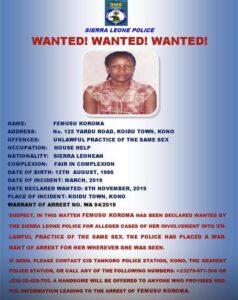
As the investigation continues, we have yet to get in contact with Femusu as she is nowhere to be found or seen at the moment.